Goli otok


Naked island – we are not very sure where to get the idea for this trip, but somehow it turned out that we hit a rock.
It is not a mountaineering trip, but this trip is a unique experience.
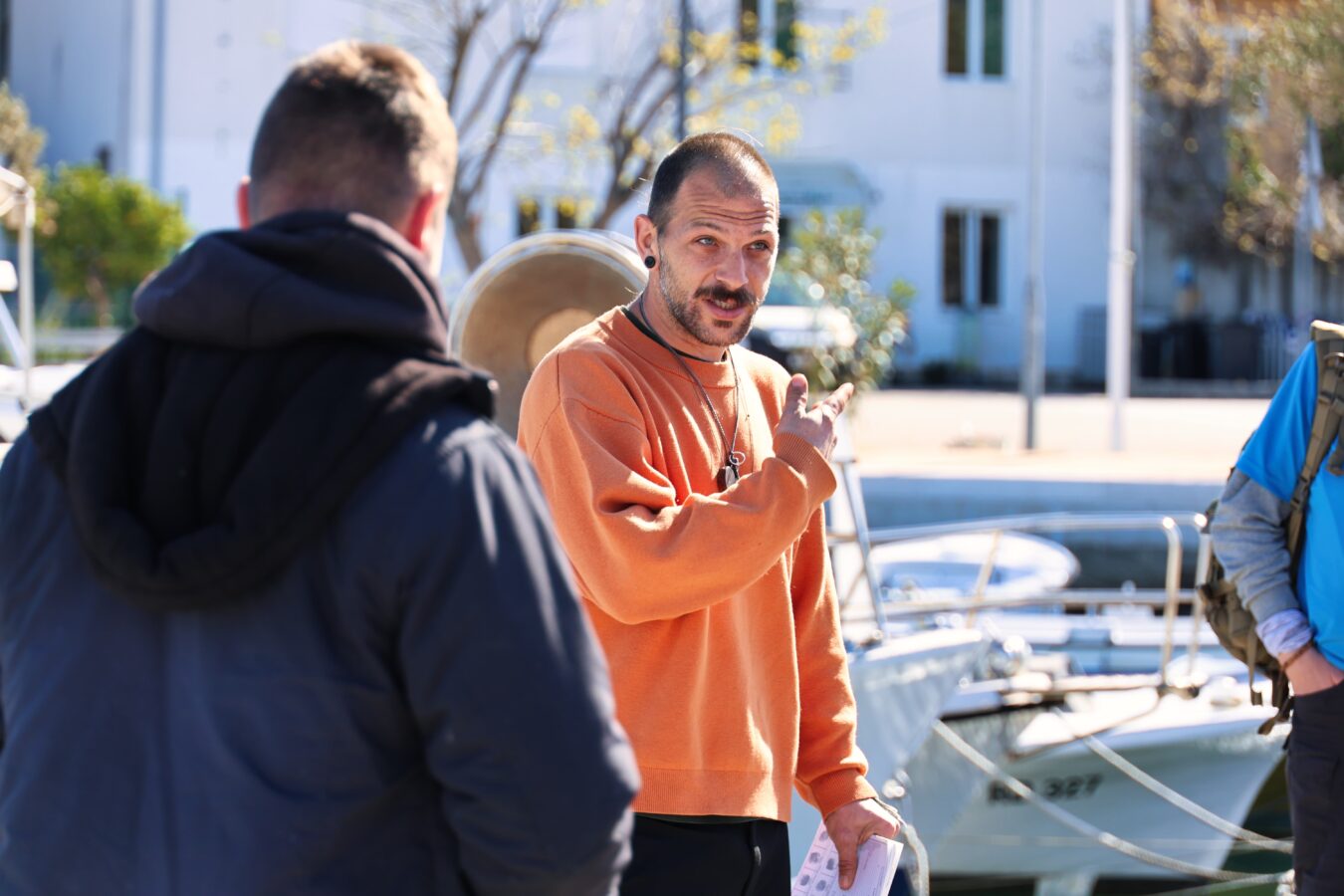
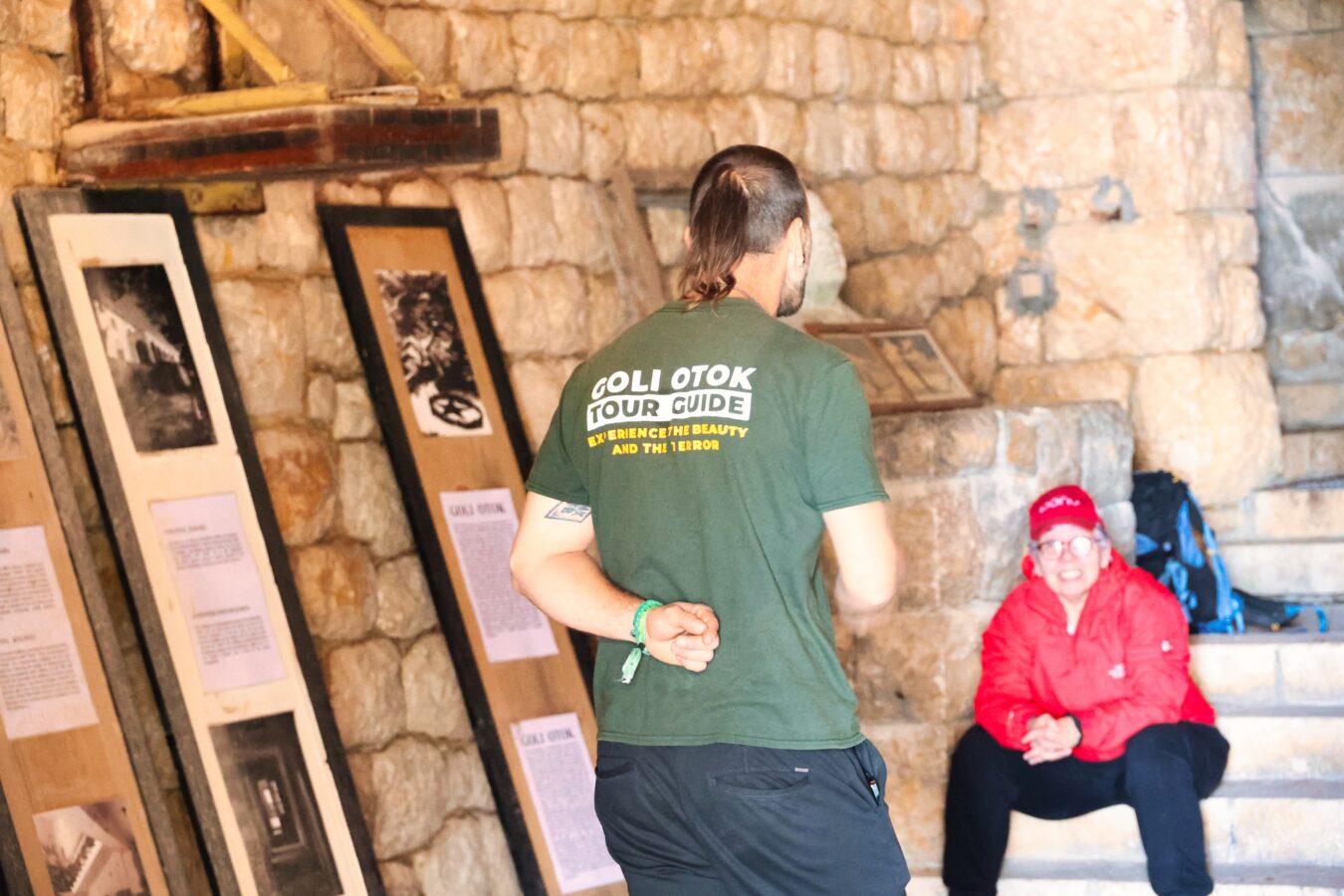
At the very beginning of the research, we came across a name – Sanjin Patalić. No, he's not one of those who spent time on Naked as a prisoner or a guard. Sanjin is a young man who has spent almost 20 years researching Golog otok.
Regardless of the political system and everything that sometimes casts the wrong picture and incomplete story in such places, Sanjin explores, collects and documents the physical evidence of that time, but also through conversation and story with stakeholders creates the basis for a unique experience.
His story began very interestingly. As a very lively child, and at the time of his growing up there was no Brave Phone and similar fighters for the rights of lively children, they often threatened to take him to Goli otok. Because from the vicinity of his house in Lopar he looked at Goli, and his neighbors were the guardians of this notorious prison, imagination made its own. He questioned neighbors/guardians, considered how prisoners could have escaped, what he looked like by "re-educating" people like him and the like.
With Sanjana we are located in Lopar, from where this trip starts.
He bases his work through the Pato’s Logic craft on three basic ways of communicating information:
• logos indicates reason and information – what we know and can prove
• Patos Feelings and emotions – what the audience feels
• Etos is the character and credibility of the speaker – moral authority and ethics
Through the beginning of the presentation and the description of the route, Sanjin gives us Logos – i.e. information based on what is factual and supported by documents, pictures and verifiable.
Then there is a presentation and guidance through a conversation about how to deal with prisoners and their emotions, as well as the experience of the guards and all stakeholders.
And the impression or Etos is on us.
Why the Naked Island?
Not as far as excursions are concerned, but why Tito chose Goli otok for those for whom it was intended at that time.
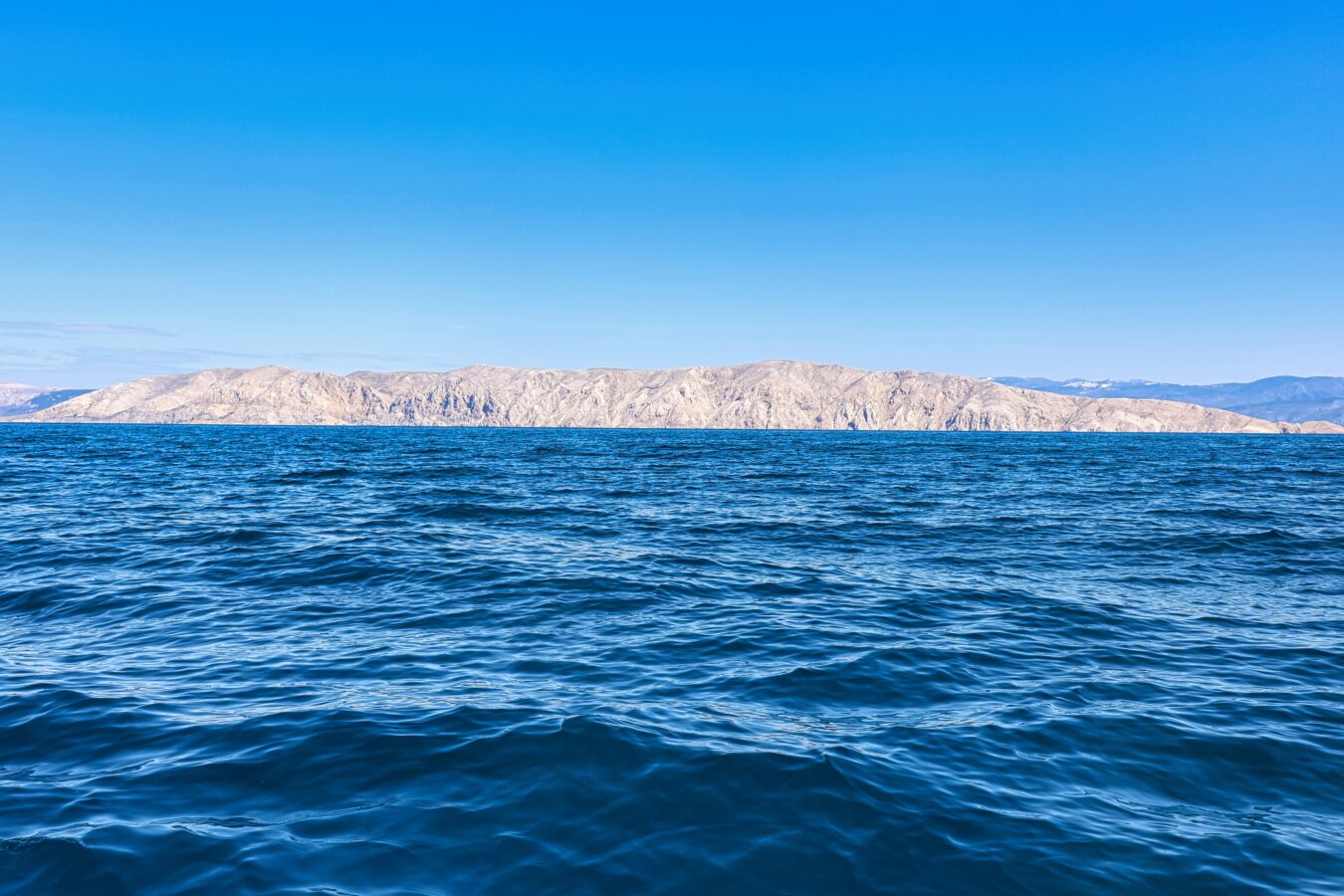
Primarily this was a political prison and the location was chosen because of its distance from the Iron Curtain. Escape from prison, because of his surroundings was almost impossible. First of all, the Stalinists were very far away, they should pass through almost the whole of Yugoslavia to save their supporters, and individual escape was hindered by the geomorphology of the surrounding area. Rab and Prvić, which are closest to Goli otok, are like natural walls and stop every escape attempt with their steep and inaccessible cliffs. It is like a third wall on the mainland – Velebit. Swim through the Velebit Channel to the mainland is almost impossible mission, because of the strong currents, which are formed from the hot under Velebit, and because of the famous bora, which shows its strength in almost every season. The period of political imprisonment lasted from 1949 to 1956.
After 1956, the camp was transformed into a correctional institution.
About the period after 1960 I think that too little is known and that too little is mentioned.
From 1960 until the end of 1988. Goli otok is still a prison, but also a re-education center for criminals and minors. There are fewer political prisoners and more and more classic offenders, with a focus on minors.
The existence of a hospital and a psychiatric institution made it possible to assess prisoners and offered minors the opportunity to study.
There were carpenters, locksmiths, stonemasons and mechanics, and there was also a catering school, which was very desirable given the development of tourism in Yugoslavia.
Perhaps not the best expression of education, but "re-education".
Although we all tie Goli otok to stone, there were four industries on the island.
In addition to stone, there were shipbuilding, metal and wood industries.
There were two companies, with some fake headquarters: "Mermer" and "Velebit" combination.
No one at that time knew, and bought souvenirs, furniture, but also very popular at that time terazzo tiles, which are still found today in numerous institutions throughout the ex Yu space. Also, exports of products were very strong through non-aligned countries, so foreign exchange was not missing either.
The question is whether the island had complete self-sufficiency, despite the fact that there were breeding animals for food, vegetables were not lacking, and bread was baked. Drinking water was delivered from Rab, but also rainwater storage facilities were built, water tanks are in several places.
The breakup of Yugoslavia somehow decided to stop the existence of Golog Island. Some modern methods of rehabilitation of minors, Slovenia's exit from the Yugoslav pact and the dissolution of the former state have made their own.
For a while (until 1991), the space functioned as an open-air museum.
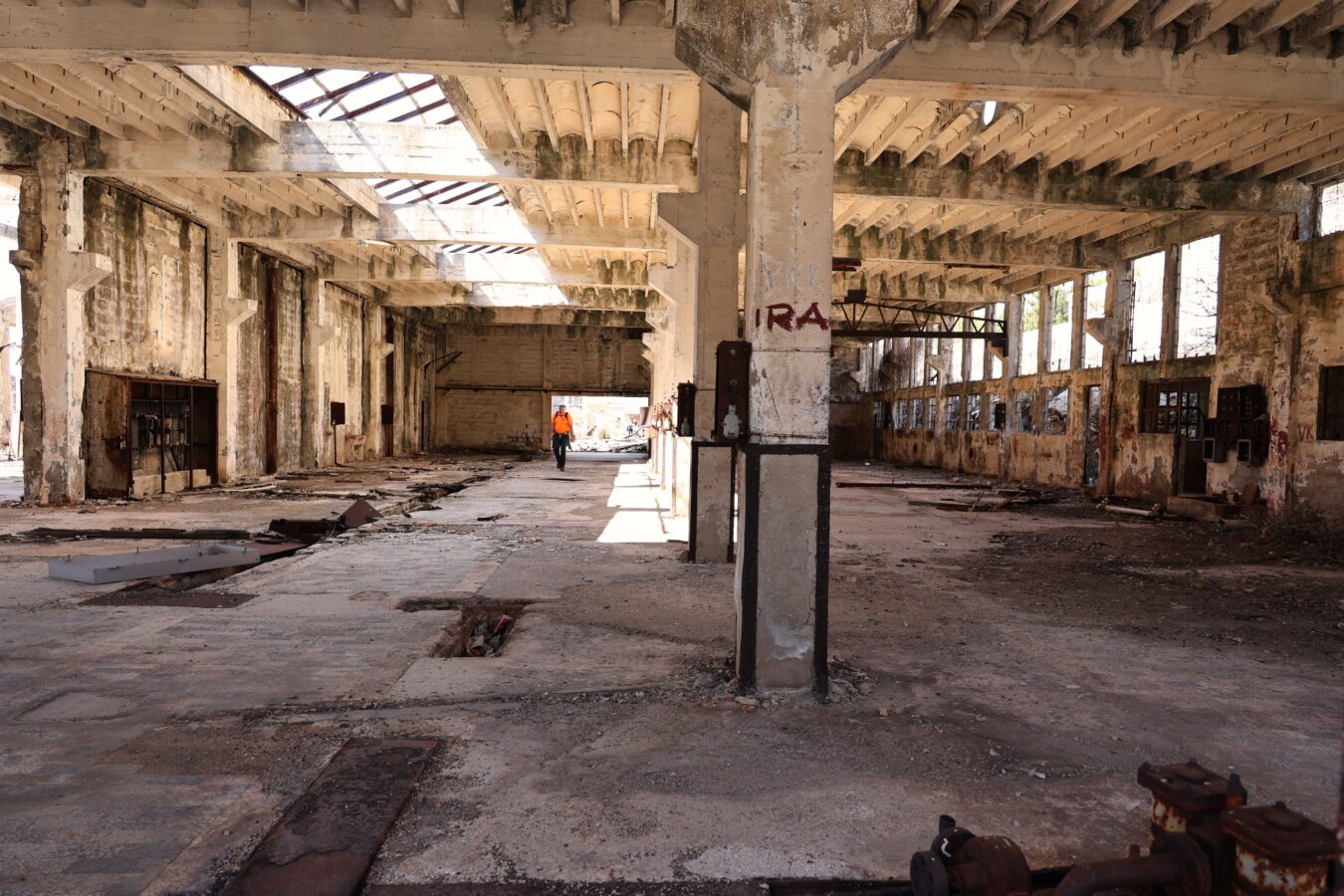
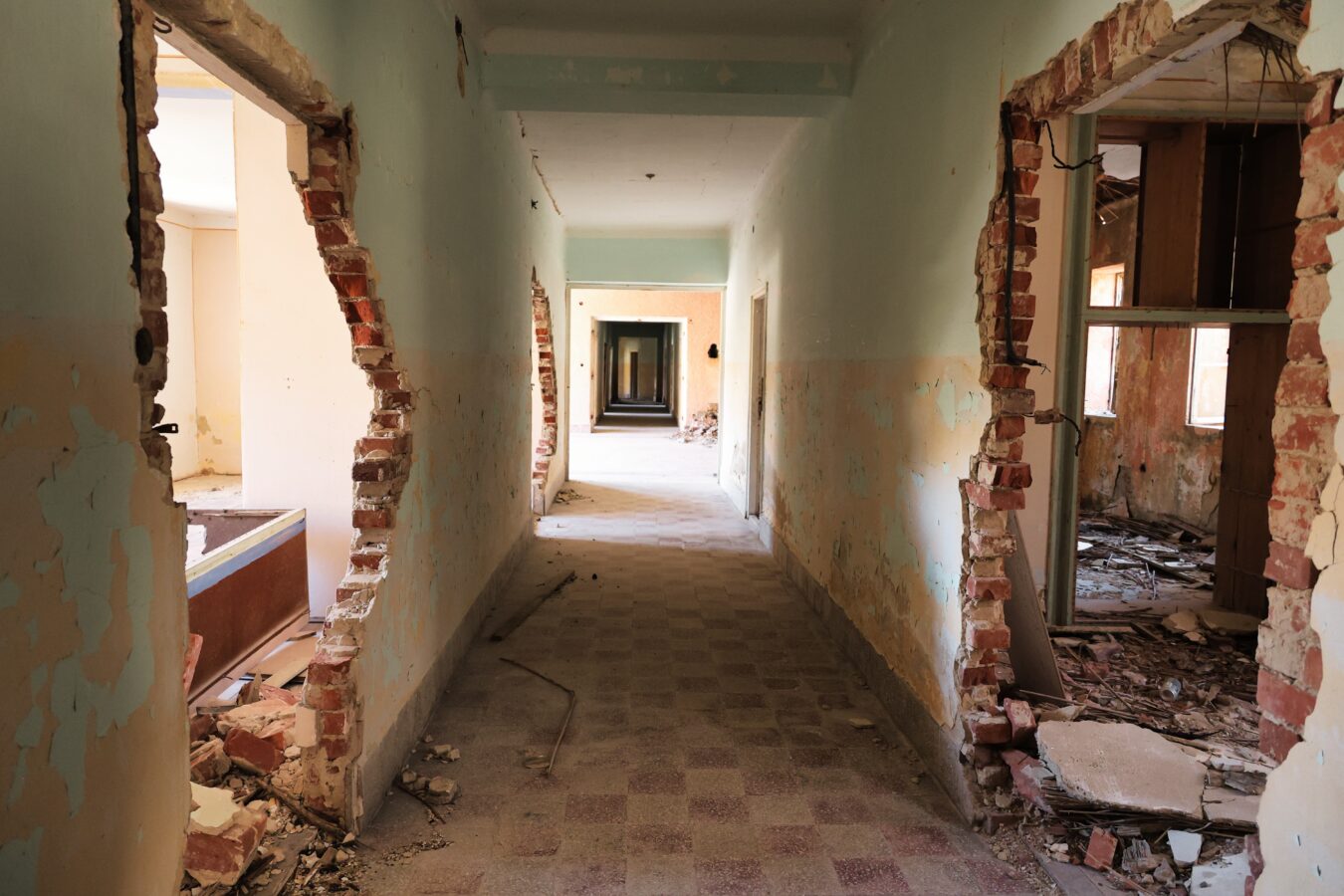
This was followed by neglect, robbery and devastation.
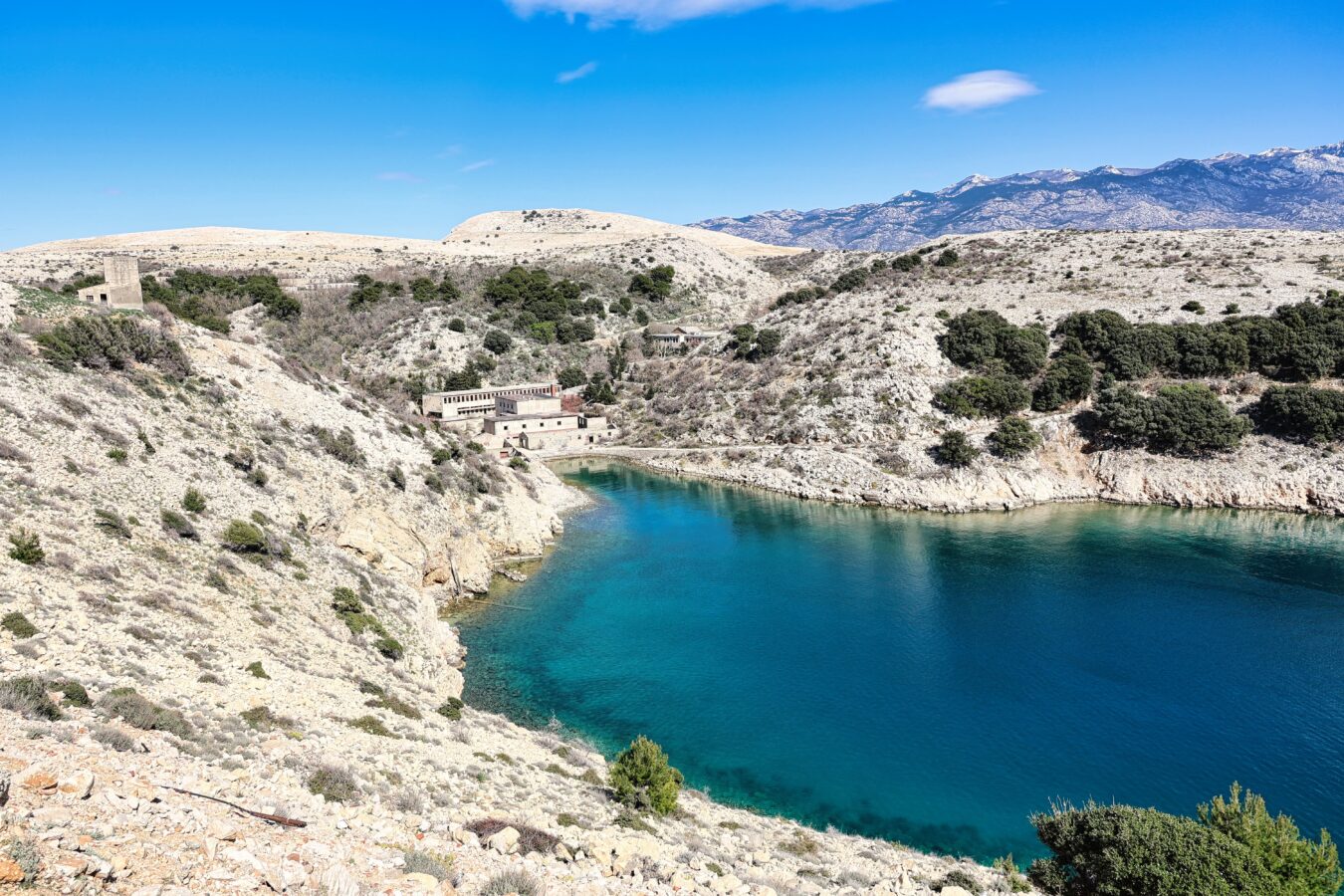
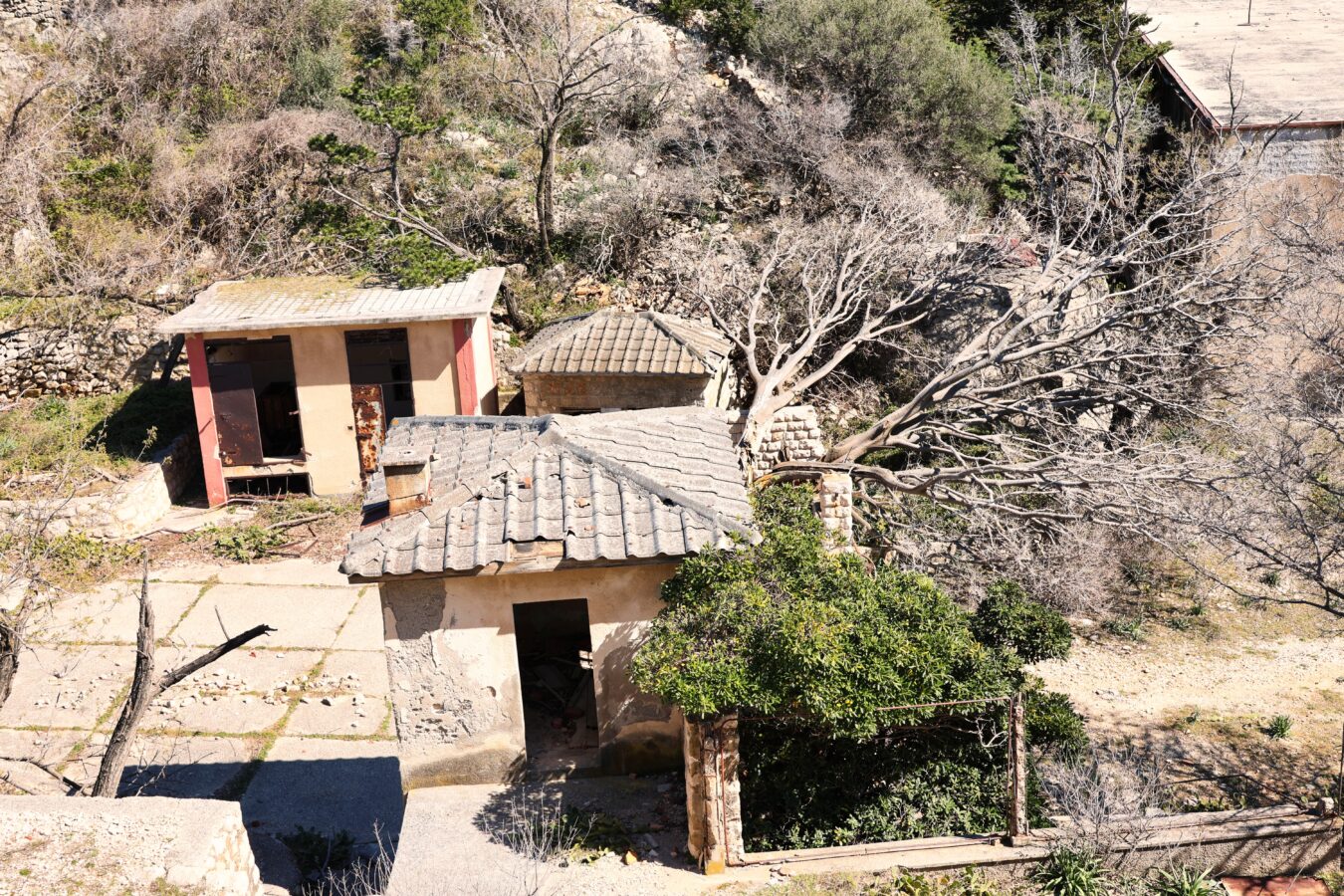
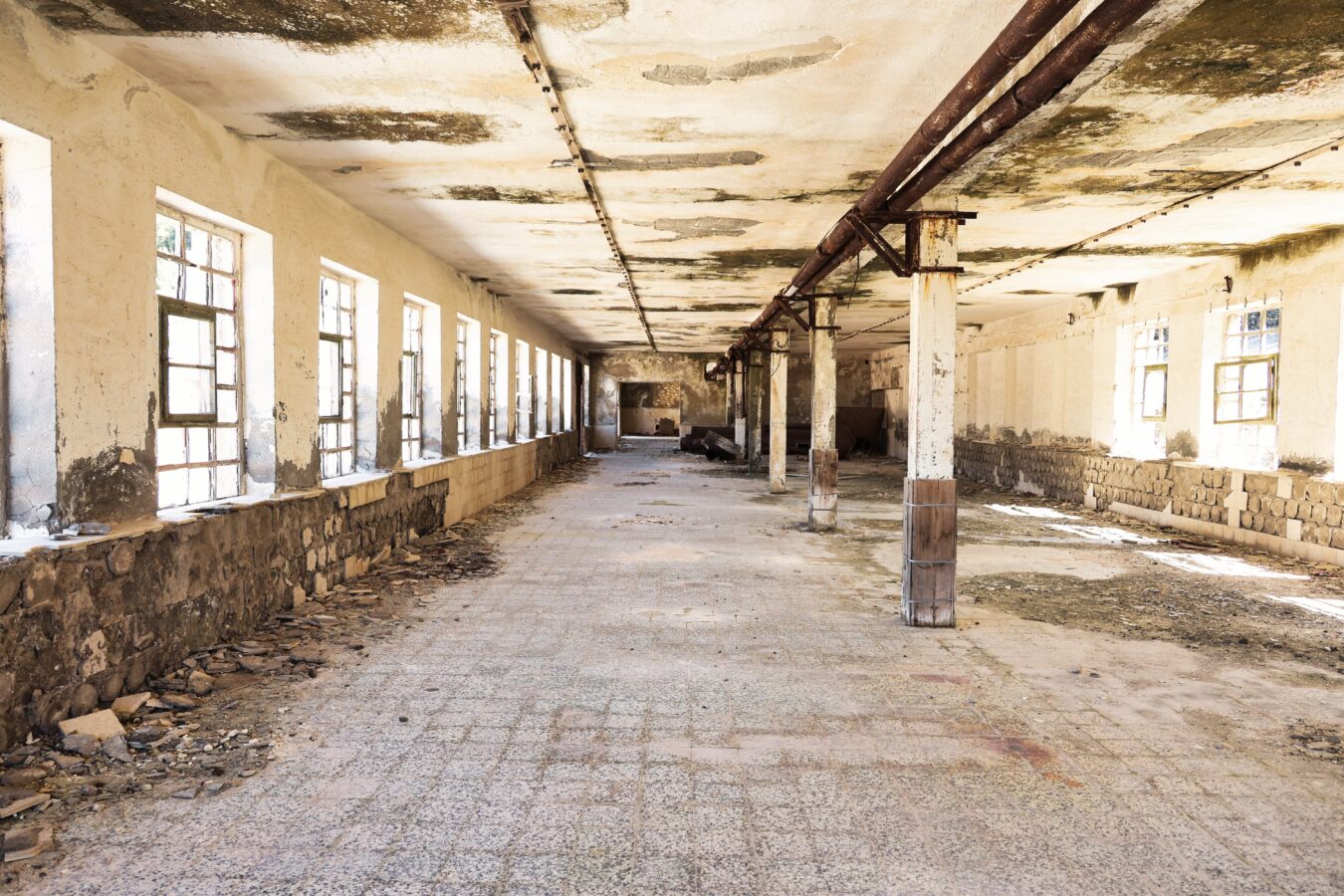
Today, Goli otok is quite neglected.
38 years have passed. The buildings are on the verge of collapse, carcasses of sheep, fallen trees and one enthusiast.
Text and photos: Željka Žirovčić
 English (UK)